Driveway Gravel in Washington
A common Washington mistake is expecting surface stone alone to cure a wet drive; Driveway Gravel belongs on ground prepared to shed water.
- Size: 3/4 inch
- Grading: Graded mix of stone sizes
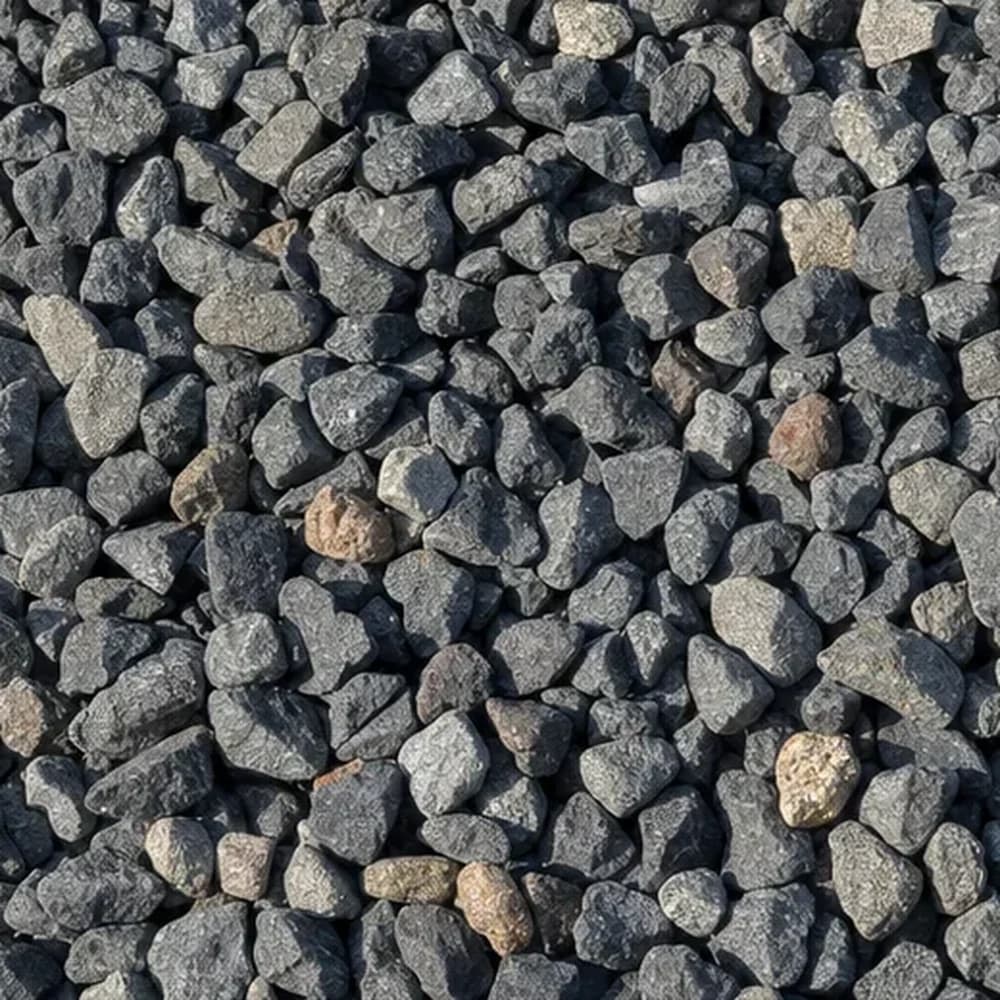
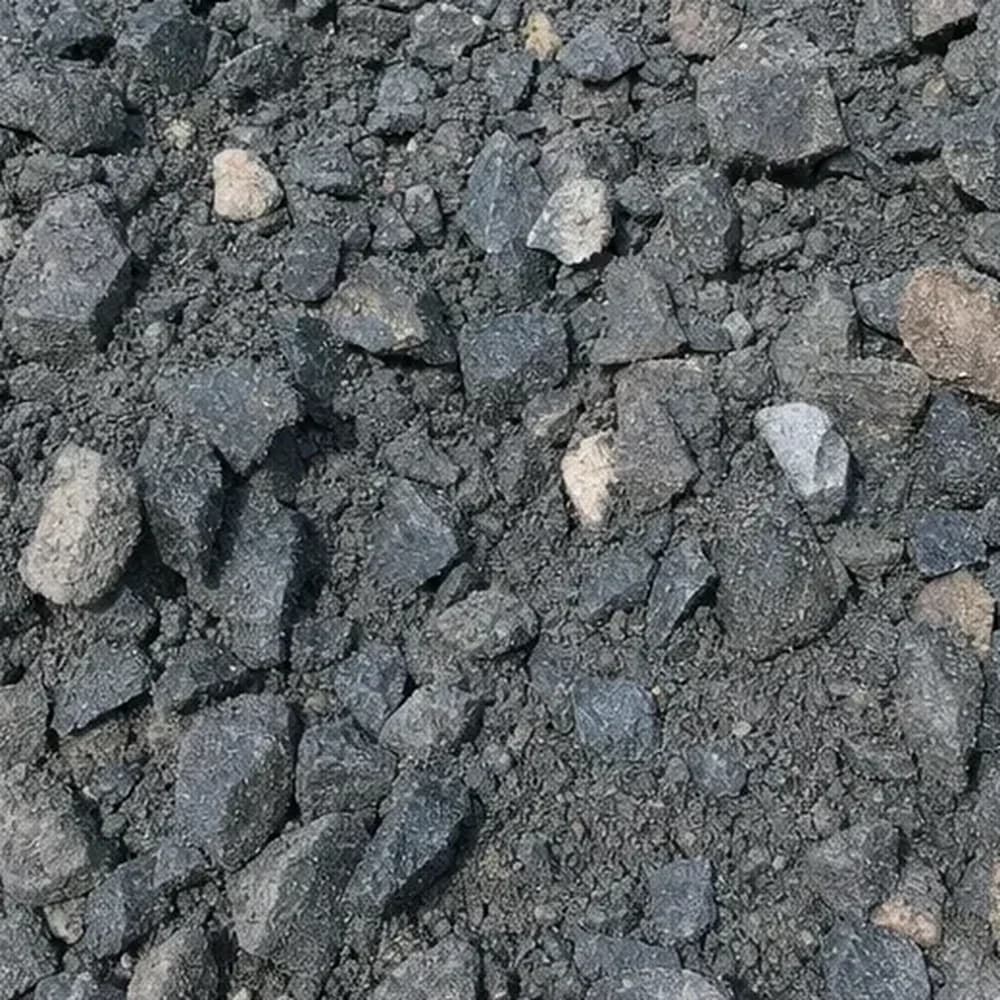
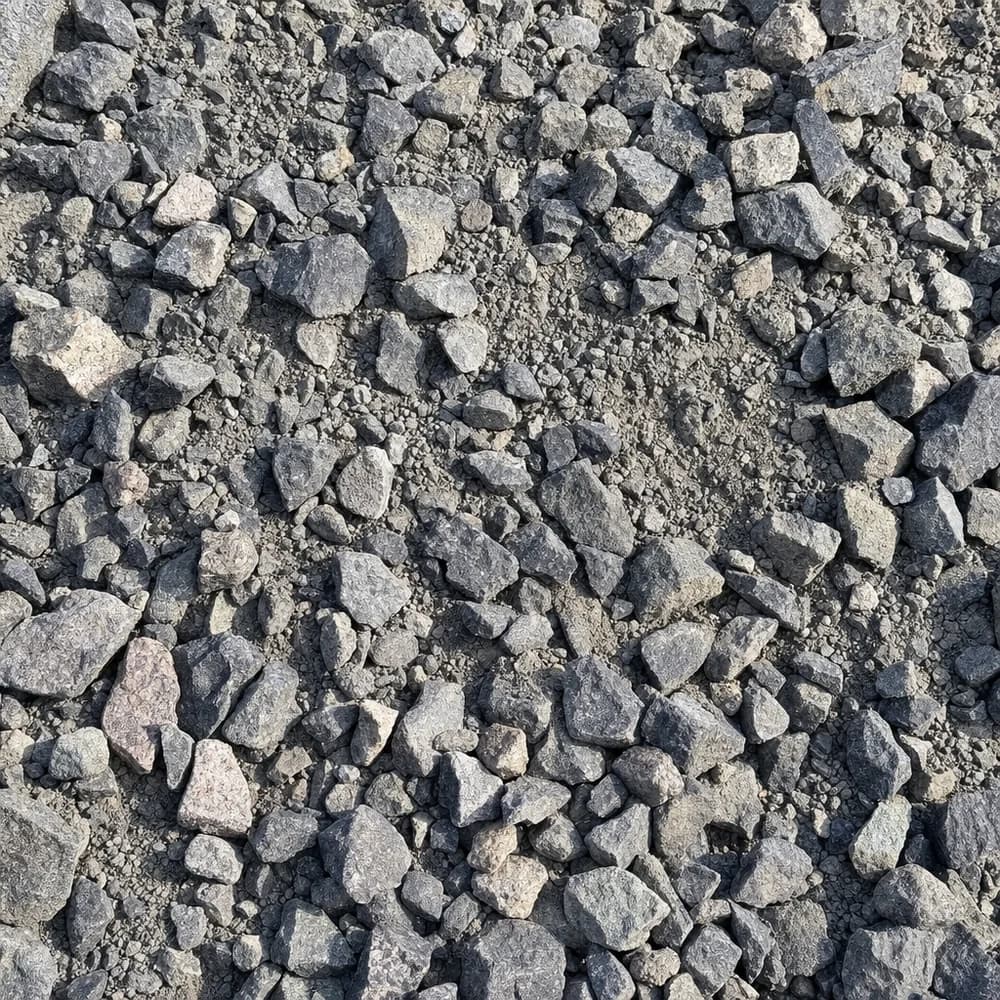
- Type: Crushed stone
From $403 for 1 ton, delivery included (larger loads cost significantly less per ton)
Free delivery included
Free delivery anywhere in Washington
Pick a delivery date
Weekday delivery, earliest Nov 3
Get a Free Quote
Fill out the form and our sales team will get back to you within the hour.
Everything You Need to Know About Driveway Gravel
Size and Grading
- Size
- 3/4 inch
- Grading
- Graded mix of stone sizes
- Type
- Crushed stone
Putting surface material directly on wet ground is a frequent cause of trouble in western Washington. Rain can sit above glacial hardpan beneath shallow topsoil, leaving the ground below an entrance soft. Driveway Gravel is intended for the driving course, where crushed particles can be compacted together for regular vehicle traffic. It is not a substitute for correcting wet conditions underneath.
Conditions change east of the Cascades, where sandy ground is drier and winter freezing still affects an access route. For a home drive, shop pad, or parking area, prepare a compacted base below Driveway Gravel before spreading the surface course. This gives the material a stable place to do its job while site drainage is addressed. That sequence matters near Puget Sound and on the Olympic Peninsula, where long wet periods put pressure on unpaved access.
Quickly Calculate How Much You Need
Material: Driveway Gravel
How to Measure
Measure the length and width of your project area in feet
Decide on depth in inches (2" for landscaping, 4" for driveways)
Enter the values above and we'll calculate the tonnage you need
Need help figuring out the right amount? We can help!
Call or text us at (206) 582-6792 and we'll help you calculate the right quantity for your project.
Not sure how much you need? The Gravel Calculator has depth guides, coverage charts and worked examples for this material.
Common Uses
Residential Driveways
Build a driveway for everyday vehicle use with gravel that compacts into a stable surface. Its angular pieces provide tire grip through rain and shallow snow, a useful feature in wet parts of Washington.
Parking Areas & Pads
Set aside extra parking with a gravel pad suitable for cars, trucks, and RVs. It installs quickly, and you can extend the area as parking demand increases.
Farm & Rural Roads
Use driveway gravel on farm lanes, rural access routes, and driveways where pavement does not suit the project budget. It handles equipment and livestock traffic.
Turnaround Areas & Aprons
Use driveway gravel to form a turnaround at the driveway's end or an apron at its road entrance. Its ability to compact makes it useful in these frequently traveled transition zones.
Why Choose Driveway Gravel
Durability
Crushed driveway gravel handles regular vehicle weight and wear. When compacted, its angular particles interlock, helping limit movement and keeping the driving area even.
Low Maintenance
Keep a gravel driveway in good shape with an occasional pass of the rake and added surface material from time to time. Unlike pavement, gravel does not require crack repair, heave repair, or seal coating.
Cost-Effective
On a per-square-foot basis, gravel costs significantly less for materials and installation than asphalt or concrete. Bulk delivery for larger jobs further lowers the cost per ton.
Superior Drainage
Rain can pass through gravel instead of running across an impervious paved surface. This helps limit runoff and standing water while supporting the drainage pattern across your property. A draining base matters where hardpan holds water.