River rock calculator for Washington
Stone size changes the coverage: 3-inch rock takes a ton to only half the area covered by a ton of 1-inch rock.
Enter your project dimensions
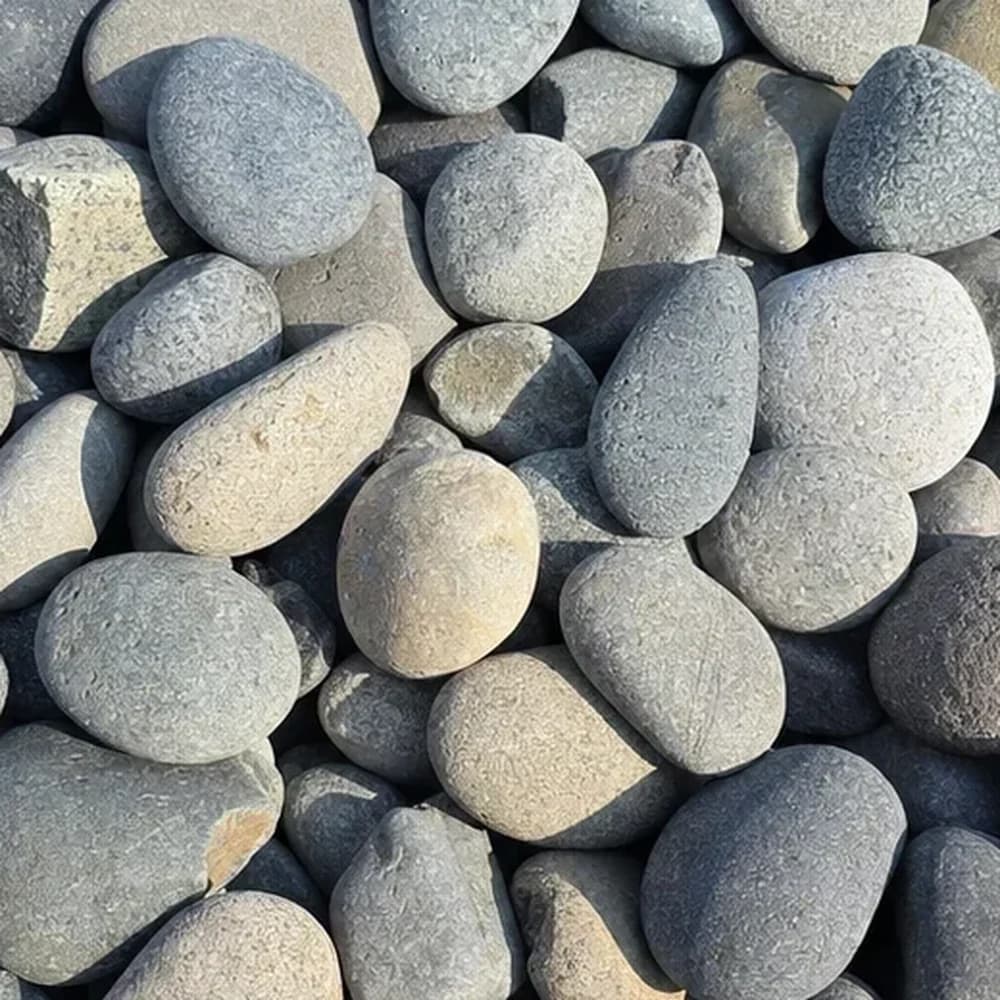
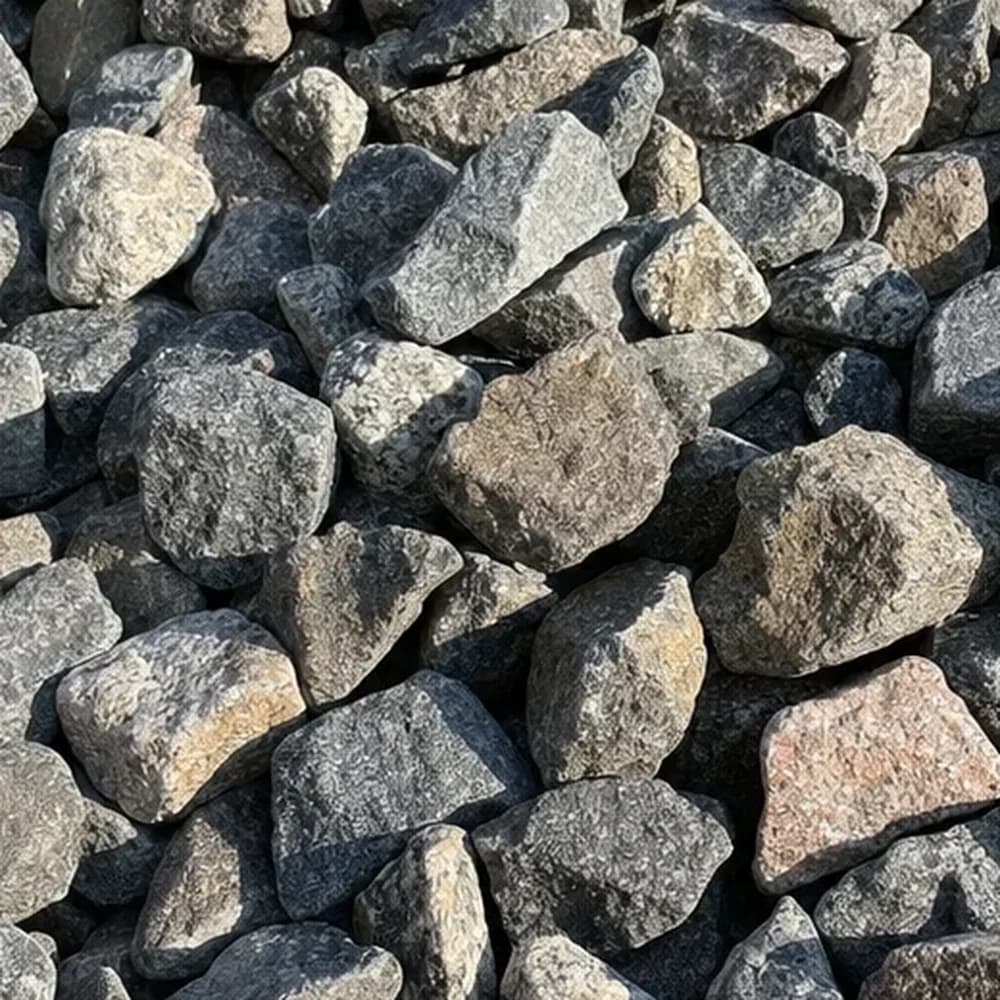
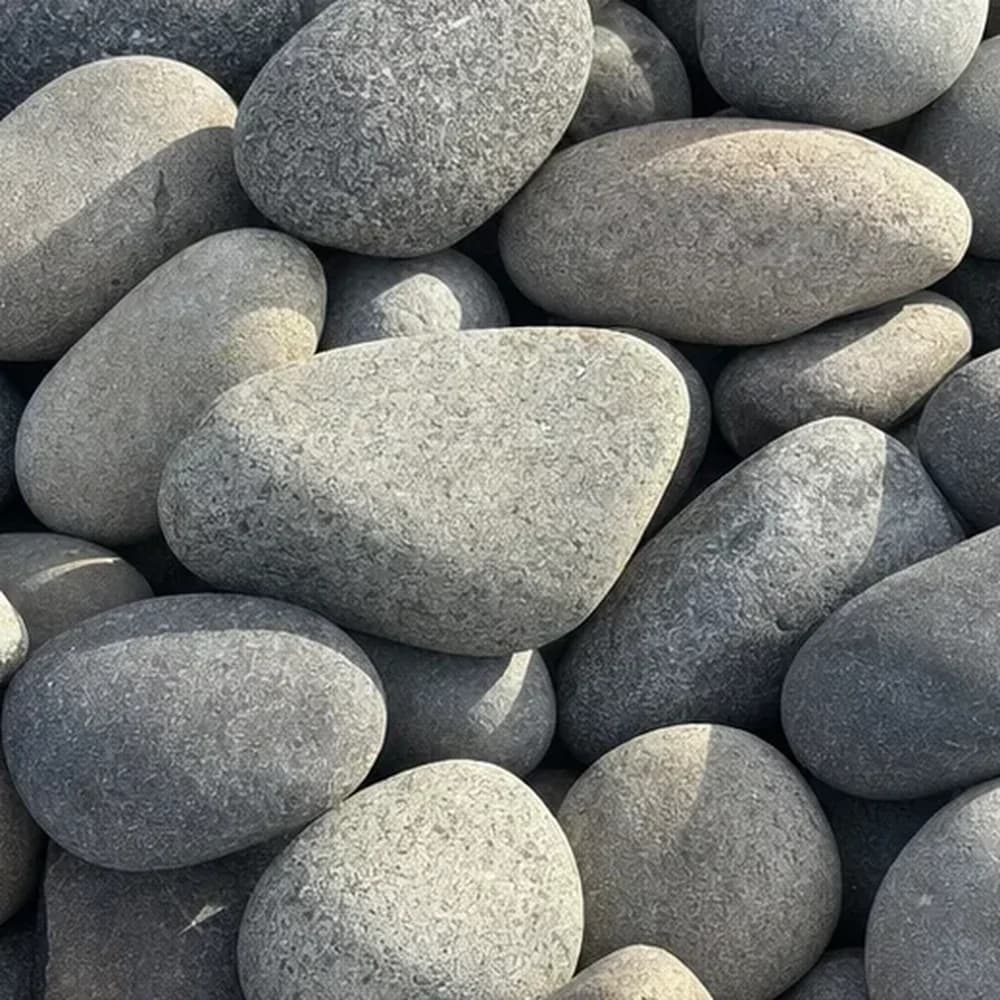
River rock coverage depends on the size you choose. Cover the ground with a layer near twice the stone diameter: 1-inch material needs 2 inches, while 3-inch material needs 4 inches or more. The same ton then covers half as much area. Select the size, enter your bed dimensions, and this calculator figures tons using river rock's 2,700 lb per cubic yard. Do not judge the order by the delivery pile alone. A ton is less than a full cubic yard. When fabric remains visible after spreading, the layer is too thin rather than the order being short.
Plan the order
- Record each border and bed in feet, then let multiple-areas mode combine the separate spaces.
- Use a layer twice as deep as the stone diameter: 2 inches with 3/4-1 inch rock, 3-4 inches with 1-3 inch rock, and 4-5 inches for larger material.
- Convert cubic feet to cubic yards by ÷ 27, then calculate tons with yards × 1.35.
Ton coverage by size
| Stone size | Layer depth | 1 ton covers |
|---|---|---|
| 3/4-1" river rock | 2 inches | ≈ 120 sq ft |
| 1-3" river rock | 3 inches | ≈ 80 sq ft |
| Large river rock (2-4") | 4-5 inches | ≈ 53 sq ft |
| Oversize accents | single layer | 35-50 sq ft |
| Project | Typical size | Depth | Volume | Weight |
|---|---|---|---|---|
| Foundation border | 40 x 3 ft | 3" | 1.1 yd³ | 1.5 tons |
| Dry creek bed | 25 x 4 ft | 4" | 1.2 yd³ | 1.7 tons |
| Accent beds | ≈ 150 sq ft | 2" | 0.9 yd³ | 1.3 tons |
| Downspout splash zones, x4 | 3 x 2 ft each | 3" | 0.2 yd³ | 0.3 tons |
| Front-yard xeriscape | ≈ 600 sq ft | 3" | 5.6 yd³ | 7.5 tons |
Install fabric before rock
Leave out landscape fabric and the soil gradually takes the rock. Bare ground lets stones settle down each season and weeds come up between them, so after three years the bed needs more rock that a few dollars of fabric could have avoided. Install non-woven fabric, hold it with pins, and place the rock over it. For drain rock on an active drainage route, wrap the fabric around the stone rather than putting it below the stone.
Natural-looking rock bed layout
- Use a 1-2 inch base, then set groups of larger stones into it. One stone size throughout can make the area resemble a parking lot median.
- For a dry creek bed, set the largest anchor stones one third into the ground so they appear shaped by running water.
- Hose the rock down once it is spread. Dust on delivered stone can dull its color until it is rinsed away.
- At foundations, install 3-4 inches over fabric and pitch the surface slightly away from the wall. The bed has a clean finish and directs roof water along its length.
- Blow leaves out using a low setting. Raking can throw stones into the grass, where they may meet mower blades.
Example: a 200-square-foot bed
At 2 inches deep, one-inch river rock: 200 x 0.167 = 33 cubic feet = 1.2 cubic yards, about 1.7 tons. Order two tons. Put the extra at the front edge in a double layer, where it shows most and thins out first.
Rock versus mulch over five years
Mulch costs less on each delivery and adds to the soil, but needs renewing every year or two. River rock costs more up front and generally still looks the same in year five. Summer heat from rock can warm the nearby soil, so mulch is usually better for planted beds and rock for borders, drainage lines, and edges. Enter the same dimensions in both calculators, and the difference in tonnage shows the price difference right away.
River rock coverage and pricing FAQ
How can I work out the river rock quantity?
What area will 1 ton of river rock cover?
What coverage comes from 50 lbs of river rock?
What is the price of a ton of river rock?
What depth is right for river rock?
Is landscape fabric needed below river rock?
Can river rock go on top of mulch?
What does a cubic yard of river rock weigh?
More calculators
River rock bed maintenance
River rock, large river rock, and drain rock sold by the ton, with free delivery included.